For used-car managers, directors, and appraisers, every vehicle acquisition comes with a degree of uncertainty. A vehicle may look ready for the lot, but underlying mechanical issues, unexpected reconditioning costs, or incomplete vehicle information can quickly change its profitability.
As vehicles become more technologically advanced, relying on visual inspections and traditional appraisal methods alone may not provide enough information to make confident acquisition decisions. Electronic systems, diagnostic trouble codes, and vehicle-specific repair requirements can all influence a vehicle's condition and the cost of preparing it for resale.
At SEMA 2026, used-car teams have an opportunity to explore technologies that bring greater visibility into these decisions. From full-system diagnostics to more connected appraisal and reconditioning workflows, the right tools can help dealerships identify potential risks earlier, plan repairs more accurately, and protect margins.
Here are some of the key areas used-car professionals should pay attention to at this year's show.
One of the biggest challenges in used-car acquisitions is understanding a vehicle's condition before committing to a purchase or trade-in value.
A visual inspection and test drive can provide valuable information, but they may not reveal issues stored within a vehicle's electronic systems. Modern vehicles rely on multiple control modules to monitor functions such as the engine, transmission, braking systems, and other electronic components. Faults within these systems may not always trigger an obvious warning light or produce noticeable symptoms during an appraisal.
Full-system diagnostics can help close this information gap by providing additional insight into potential mechanical and electronic issues. Rather than relying solely on visible condition, used-car teams can use diagnostic findings to identify areas that may require further investigation before finalizing a transaction.
For managers and appraisers evaluating technology at SEMA 2026, the priority should be finding solutions that make diagnostic information accessible early enough to influence acquisition decisions. The earlier potential problems are identified, the more opportunity teams have to account for repair costs and avoid unexpected expenses.
An accurate appraisal requires more than knowing a vehicle's market value. Used-car teams also need to understand its condition and the potential costs associated with preparing it for resale.
When mechanical issues are overlooked during the appraisal process, dealerships may acquire vehicles at values that do not fully account for the work required. These unexpected costs can reduce the margin available once the vehicle reaches the lot.
Diagnostic technology can help improve appraisal accuracy by identifying potential repair needs and providing additional context around vehicle condition. VIN and mileage verification can also help teams confirm important vehicle information and identify discrepancies that warrant further review.
The value of this information increases when it can be incorporated directly into existing appraisal workflows. Rather than requiring managers and appraisers to move between disconnected systems, integrated solutions can help make diagnostic findings available where acquisition decisions are already being made.
At SEMA 2026, used-car teams should look for technology that connects vehicle condition insights with the appraisal process, helping them make more informed decisions about what a vehicle is worth to their operation.
Unexpected reconditioning costs can have a significant impact on used-car profitability. A vehicle that appears to require minimal work during appraisal may later reveal mechanical or electronic issues that increase the total investment needed to make it retail-ready.
When repair needs are discovered only after acquisition, used-car teams have fewer options to adjust the original purchase decision. Additional repairs may also affect reconditioning timelines, delaying when a vehicle can be listed for sale.
This is why early repair cost visibility is becoming increasingly valuable. Diagnostic tools that pair vehicle findings with repair recommendations and estimated costs can help teams better understand the potential investment required before the vehicle enters the reconditioning process.
These estimates do not replace a complete inspection or final repair assessment, but they can provide useful information for acquisition planning and budgeting.
For used-car managers and directors, the goal is to reduce surprises between appraisal and reconditioning. Understanding potential repair costs earlier can support more accurate budgeting, better prioritization, and stronger control over the total cost of each vehicle.
Identifying a mechanical issue is valuable, but that information becomes more useful when it can be shared across the teams responsible for acquiring, evaluating, and reconditioning a vehicle.
In many dealerships, appraisal and reconditioning involve different people, processes, and software platforms. When diagnostic findings are stored separately from the appraisal record, important information may need to be entered manually or communicated between departments.
These disconnected workflows can create delays, duplicate work, and opportunities for important details to be overlooked. A potential repair identified during appraisal may not be clearly reflected in the reconditioning plan, leaving teams to rediscover the issue later.
Connected diagnostic and appraisal platforms can help reduce these gaps by making vehicle information easier to access and share. Integrations with existing dealership tools can also help teams incorporate diagnostic insights into their established processes without adding unnecessary administrative steps.
At SEMA 2026, used-car professionals should evaluate not only what information a technology provides, but also how easily that information moves through the dealership's workflow.
For used-car operations, profitability begins well before a vehicle is listed for sale. The acquisition price, mechanical condition, reconditioning investment, and time required to prepare the vehicle all influence its potential margin.
When teams have limited visibility into vehicle condition, they may underestimate repair costs or overlook issues that affect the overall investment. Even relatively small unexpected expenses can reduce profitability, particularly when managing a high volume of acquisitions.
Better diagnostic visibility helps used-car managers and appraisers approach these decisions with more information. By identifying potential mechanical issues earlier, estimating repair needs, and incorporating those findings into the appraisal process, teams can make more informed decisions about which vehicles to acquire and how much to invest.
The goal is not to eliminate every unknown from used-car acquisitions. It is to reduce avoidable surprises and give teams a clearer understanding of vehicle risk before committing to a purchase.
As dealerships and auctions look for ways to improve acquisition decisions, BlueDriver MAX provides diagnostic technology designed to bring greater mechanical visibility into used-car operations.
BlueDriver MAX helps used-car teams run full-system diagnostics, verify VIN and mileage information, and identify potential mechanical issues before they become unexpected expenses. Repair guidance and estimated costs provide additional context for appraisal and reconditioning decisions, while reporting capabilities help teams organize and share vehicle findings.
The platform also supports integrations with dealership workflows, including vAuto, helping diagnostic information become part of the appraisal process rather than a separate step.
At SEMA 2026, attendees can explore how these capabilities help used-car managers, directors, and appraisers identify vehicle risks earlier, improve acquisition decisions, and better protect profitability.
The focus is simple: Scan first. Decide smarter.
As used-car operations prepare for 2027, access to reliable vehicle information will remain an important part of managing acquisition risk and reconditioning costs. Diagnostic technology that connects vehicle condition with appraisal decisions can help teams make better use of the information available before a vehicle enters inventory.
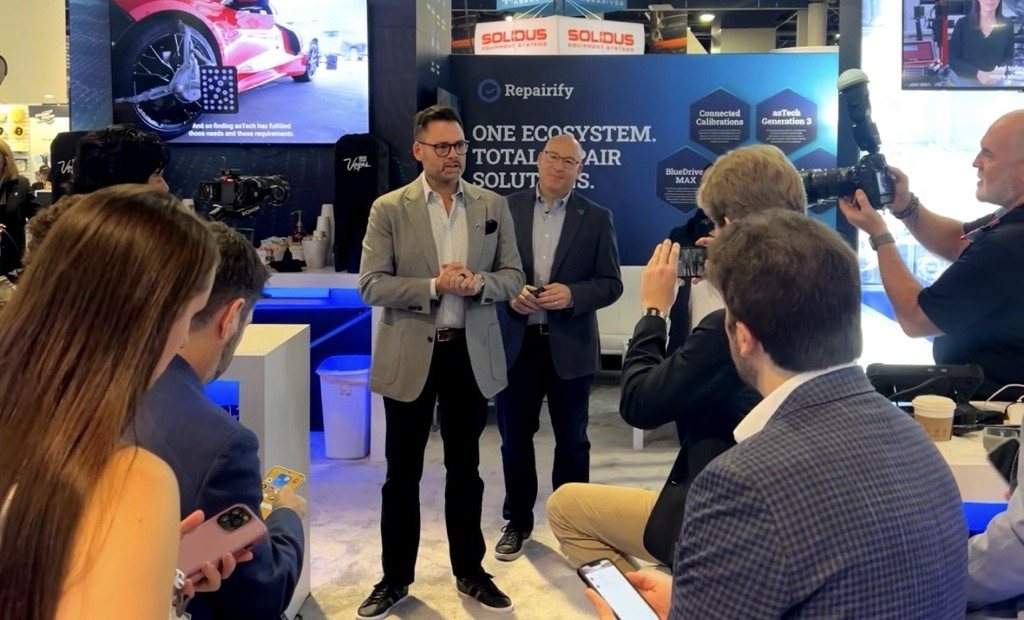
At SEMA 2026, BlueDriver MAX will be showcasing how its diagnostic solutions support dealerships, auctions, and reconditioning teams. Attendees can connect with the BlueDriver MAX team, explore its capabilities, and see how diagnostic insights can fit into their existing workflows.
Visit BlueDriver MAX at booth #34066 in South Hall Upper during SEMA 2026, November 3-6, at the Las Vegas Convention Center. You can also schedule your session early, prior to SEMA, and receive an exclusive gift at the conclusion of your appointment.
Learn more → bluedrivermax.com/sema-2026
Vehicle diagnostics can reveal potential mechanical and electronic issues that may not be apparent during a visual inspection or test drive. This additional information helps used-car managers and appraisers better understand vehicle condition, estimate potential repair needs, and make more informed acquisition decisions.
Diagnostic scanning can help identify potential repair needs before a vehicle is acquired. By accounting for these issues during appraisal, dealerships can make more informed purchasing decisions and reduce the risk of unexpected reconditioning expenses that affect profitability.
No. Diagnostic scans provide valuable information about a vehicle's electronic systems, but they do not identify every mechanical, structural, or cosmetic issue. Scanning should complement visual inspections, test drives, and other vehicle evaluation procedures.
Diagnostic findings can help teams identify potential repairs earlier and estimate the work needed to prepare a vehicle for resale. When this information is available during appraisal, dealerships can plan reconditioning budgets and workflows with greater visibility.
Used-car managers should consider full-system diagnostic capabilities, VIN and mileage verification, repair guidance, estimated repair costs, reporting features, and integration with existing appraisal workflows. The goal is to find technology that provides useful vehicle information early enough to influence acquisition and reconditioning decisions.
Ready to see how BlueDriver MAX can transform your business? Reach out to us to get started.

